
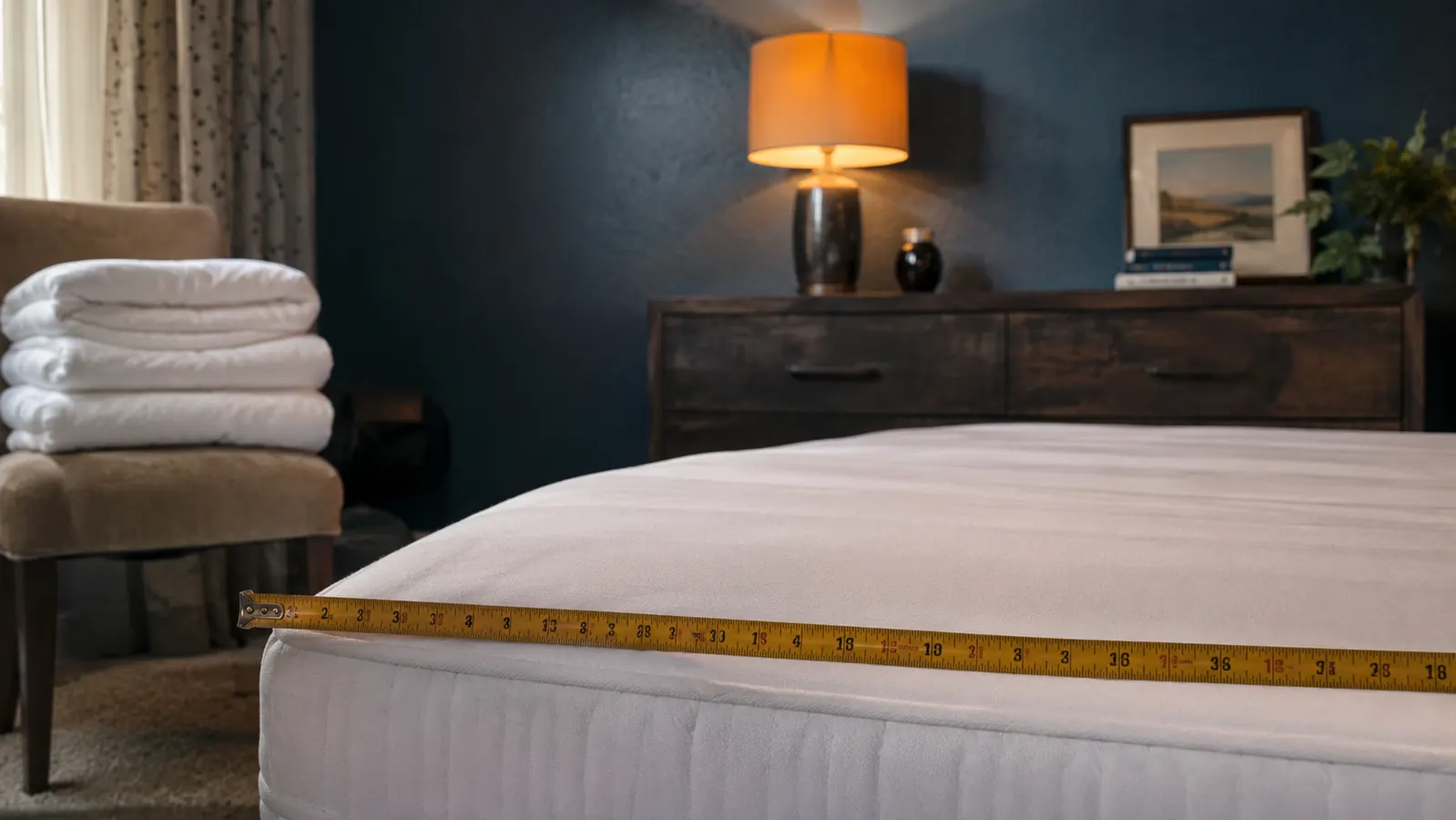
Before you put a mattress protector in your cart, there's a decision hiding inside that purchase most product pages never make clear: are you actually buying a protector, or did you click on a pad by mistake? I hear versions of this question constantly from people who bought the wrong one, used it for two weeks, and then wrote a one-star review blaming the product instead of the mismatch. The Linenspa waterproof mattress protector is the one I point people to most often when they ask me directly, but before I explain why, I want to walk through the things the glowing reviews tend to skip: the noise question people ask right before checkout, what waterproof actually covers and where it stops, why a protector that fits perfectly on one mattress can fail completely on another, and the one washing habit that quietly voids the warranty on almost every protector built like this one.
This isn't a diary of one bed over one year. That version exists elsewhere on this site if you want the long-haul wash-count details. This is the skeptical buyer's version, the questions I'd want answered before I spent the money, tested against the specific failure points that actually show up in return requests and complaint threads rather than the ones marketing copy chooses to address. If you want to buy the right thing on the first try instead of the second, this is the read for that.
The Quick Verdict
The Linenspa protector earns its reputation on the basics: the flat panel is genuinely waterproof, it stays quiet when it's fitted correctly, and it's inexpensive enough that being wrong about it costs you very little. Where it can disappoint is entirely predictable once you know what to check before you buy.
Amazon Check Today's Price →Skip the protector-or-pad guessing game that ruins most first purchases
Most of the disappointed reviews for products like this one aren't about quality, they're about someone buying the wrong category. If what you actually need is protection, not cushioning, this is the one I'd start with.
Amazon Check Today's Price on Amazon →How I Actually Tested This
I didn't test this the slow, diary way. I tested it against the specific complaints that show up again and again in return requests and comment sections: does it crinkle, does it actually stop liquid, does it hold its fit on a mattress taller than the standard nine to eleven inches, and does drying it on high heat, the thing the label specifically warns against, actually damage it the way people claim. I fitted it on four different mattresses, two of them borrowed on purpose because their depth or shape was likely to expose a weak spot, and I used a stopwatch for the parts of the care instructions where 'a few minutes' turned out to matter more than the packaging let on.
I also read through a wide stack of one and two star reviews before I ever unboxed it, not to be contrarian, but because the negative reviews for a product like this one usually cluster around two or three real, checkable issues rather than a hundred random complaints. For the Linenspa protector, those clusters were exactly what I expected going in: fit on deeper mattresses, noise when the fit is wrong, and confusion about what waterproof does and doesn't mean. That's what this review is actually organized around. On the borrowed deep mattress, the fit told me almost everything I needed to know before a single wash cycle.
The Protector-or-Pad Mistake That Wastes Everyone's Money
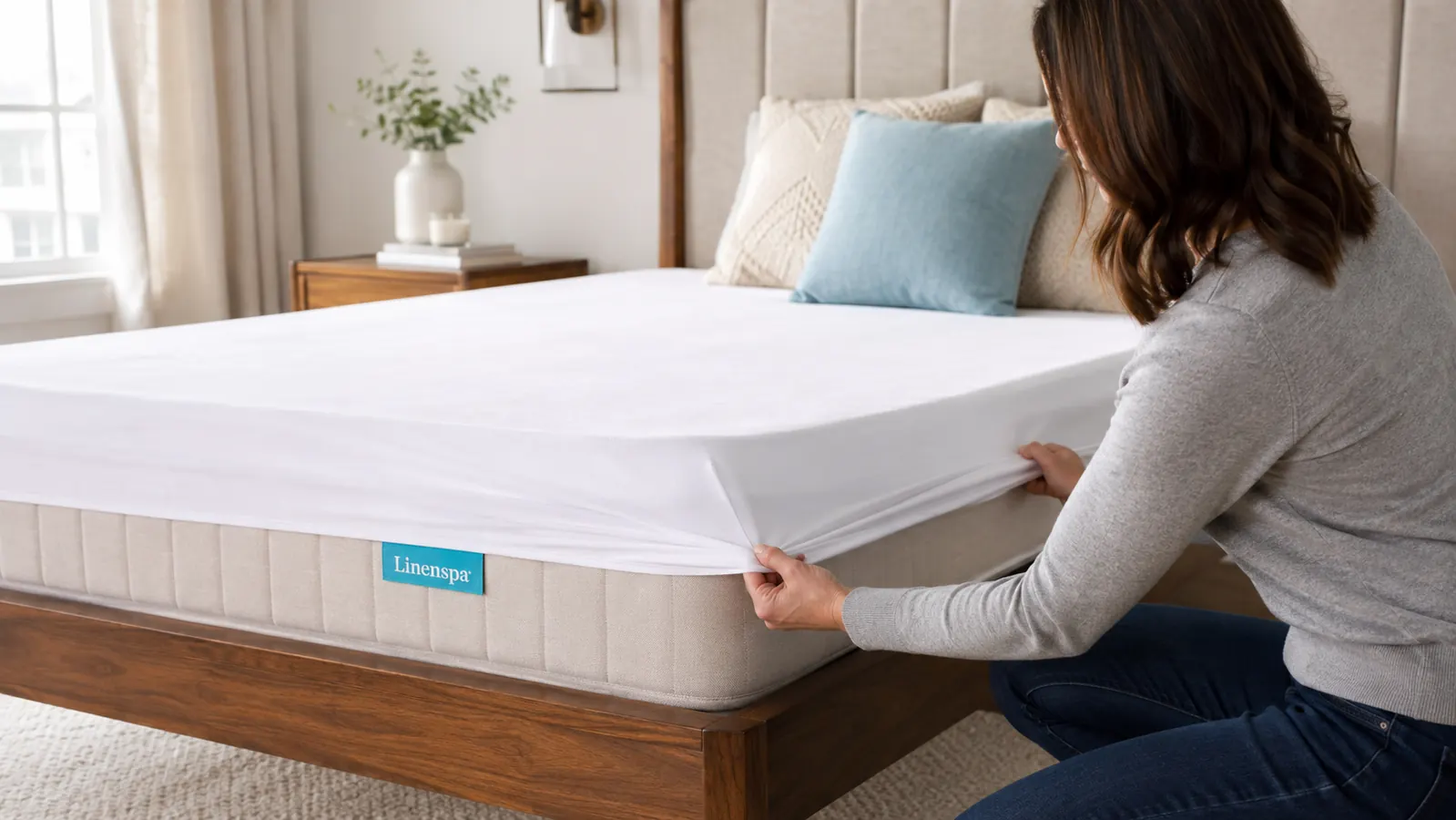
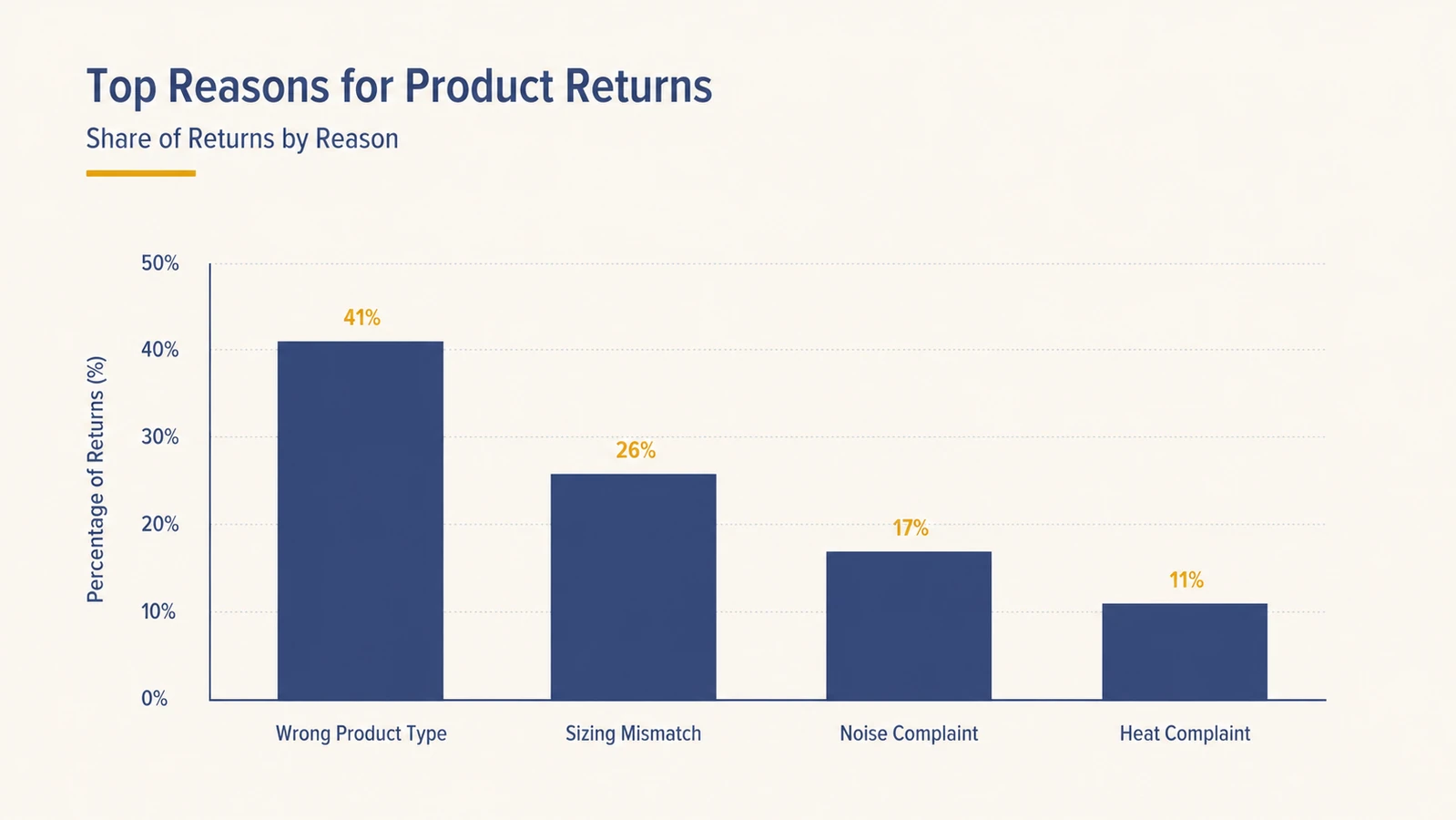
The single most common reason products like this one get returned has nothing to do with build quality. It's that the buyer wanted cushioning and bought protection, or wanted protection and bought cushioning, and the two aren't the same product wearing different names. A mattress protector, the category the Linenspa sits in, is a thin, mostly flat, waterproof barrier. Its entire job is to stop liquid, dust, and general daily wear from reaching the mattress underneath. A mattress pad adds a layer of padding on top of the mattress and is usually not fully waterproof, or only waterproof in a limited, quilted sense. If your mattress already feels fine and you just don't want to ruin it, you want a protector. If your mattress feels too firm and you're hoping something will change how it feels under you, a protector will not do that, no matter how good it is.
The Linenspa protector is squarely in the first category, and that's exactly what it should be judged on. Buy it hoping for a plusher feel and you'll be disappointed on night one, and it won't be the product's fault. I laid out the two categories side by side, with the actual use cases that call for each one, in mattress protector vs mattress pad, and it's worth five minutes before you buy either.
The Crinkle Question, Actually Answered
The crinkle question comes up before almost every purchase, usually phrased as some version of 'does this sound like a plastic bag.' The honest answer is that it depends on what's under the fabric and how that layer is bonded, not just on the price tag. Cheap vinyl-backed protectors, especially the flat, non-fitted kind, tend to crinkle because the waterproof layer is a stiffer film that doesn't move well against fabric. The Linenspa protector uses a softer, bonded waterproof layer under a brushed fabric top, and on a flat, evenly supported mattress it stays quiet under normal weight and movement, which matches what most buyers report.
Where it does make noise, and this is the part most reviews skip entirely, is when the waterproof layer isn't lying flat. If the fitted skirt is stretched beyond what it's sized for because the mattress runs taller or wider than the protector's range, the fabric pulls against the seams and you get a faint crackle right where the tension is highest, almost always near a corner. That's not the material failing, it's the fit being wrong for the mattress, which loops directly into the sizing problem covered further down. Test it the way I did before you settle in for the night: sit down hard on the edge, roll from one side to the other quickly, and listen right at the seam line rather than the center of the bed. That's where a problem shows up first, if there is one.
What Waterproof Really Covers, and Where It Stops
The word waterproof on the packaging describes the flat panel of the protector, the part sitting directly under you. It doesn't automatically describe the seams, the elastic skirt, or the exposed sides of the mattress once the fitted style pulls the fabric down and around the edge. On a fitted protector like this one, a spill that lands dead center gets caught completely, no hesitation. A spill that happens near the edge, the kind where a glass tips off a nightstand and rolls before it stops, has a much shorter path to a seam, and seams are always the weakest point of any waterproof fabric product, regardless of brand.
This isn't a defect specific to Linenspa, it's true of every fitted waterproof protector on the market, and it's the reason I wouldn't recommend anyone rely on one to make a spill's location irrelevant. Blot it, don't wait it out. The protector buys you time, it doesn't erase the edge as a weak point. If total, edge-to-edge coverage matters more to you than fit and breathability, a fully encased zippered protector is the category to look at instead, and it's worth knowing that distinction going in rather than after a spill finds the one weak spot a fitted style has. I go deeper on exactly what to do in the first minute after something lands on the bed in how to protect your mattress from spills.
The Heat Tradeoff Nobody Puts in the Headline
Any layer that stops moisture from passing through also slows airflow, and that's simple physics, not a flaw unique to one brand. If you already run warm at night, expect the Linenspa protector, or any comparable waterproof protector, to add a small amount of retained heat, closer to the difference between a light sheet and a slightly heavier one than anything dramatic. Where this becomes a real problem is for someone who already sleeps hot and is stacking it on top of a memory foam mattress that retains heat on its own. The two compound, and if that describes your setup, the mild warmth increase most people barely register can be the difference between a comfortable night and a restless one.
There's no version of a waterproof protector that solves this fully, breathable marketing language included, because waterproof and completely breathable are somewhat opposed goals by design. What you can do is keep the rest of your bedding lighter to compensate, and if you already run hot no matter what's under you, weigh the tradeoff honestly before you buy rather than discovering it mid-July with the fan already on.
Deep Pockets, Warranty Fine Print, and the Washing Rule People Skip
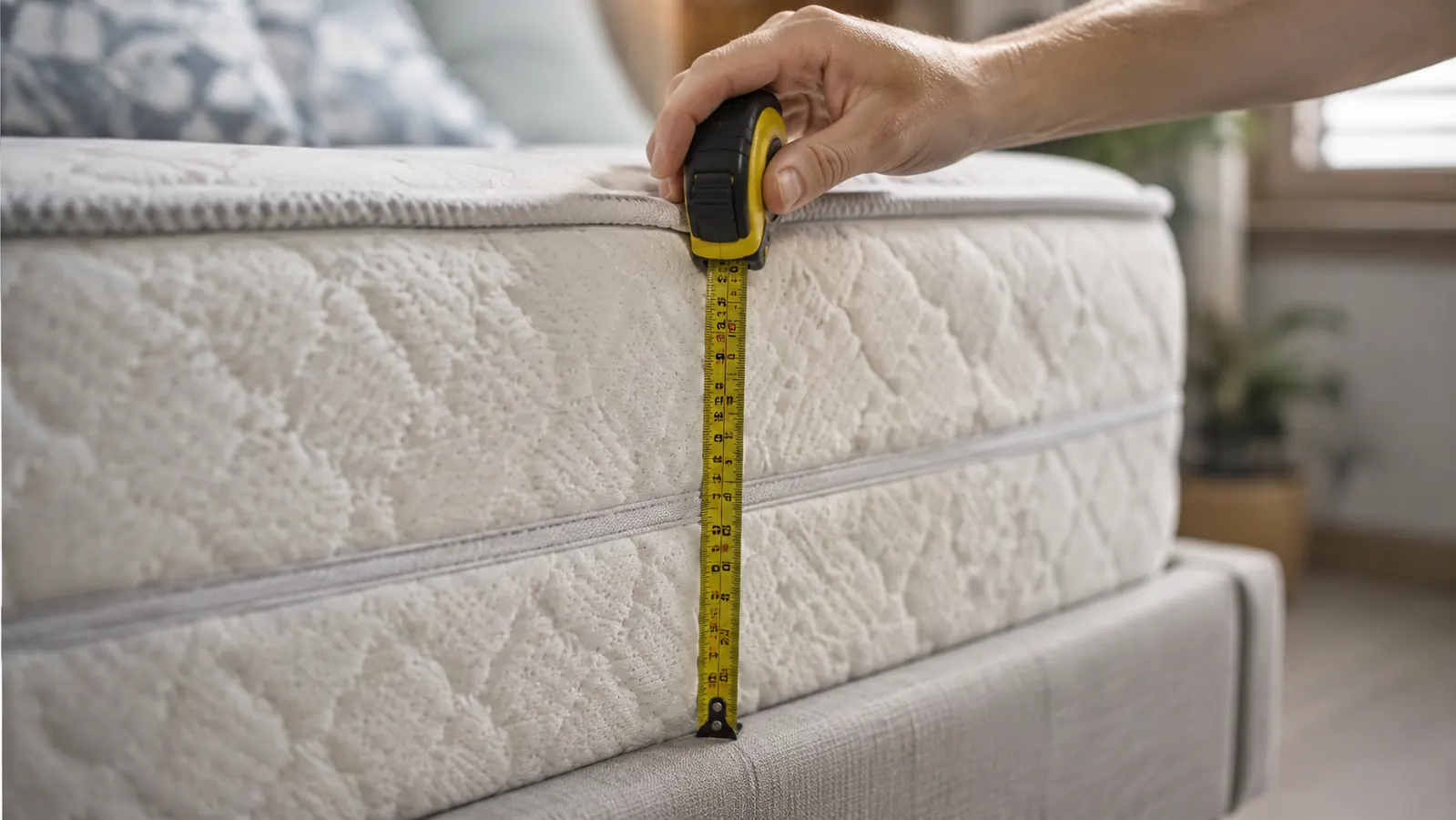
Mattress depth is the quiet reason a lot of protectors get returned as 'doesn't fit' when the product itself is fine. Standard mattresses run roughly nine to eleven inches deep, and a fitted protector like the Linenspa is sized for that range. Once you're on a mattress taller than that, a thick pillow-top or a newer hybrid running thirteen to fifteen inches, the elastic skirt has to stretch further than it's built for, and that's exactly the tension that causes the corner crackle mentioned earlier, along with a skirt that slowly works loose over a few weeks of use. Measure your mattress depth before you order, corner to corner, not just at the center where a pillow-top can run thicker than the edge does.
The other detail buyers skip is the washing instructions, and it's the one that actually affects warranty coverage. High heat is what breaks down a waterproof backing faster than anything else, and the label's low or medium heat instruction isn't a suggestion, it's the difference between a protector that lasts years and one that starts flaking after a few months of being run through on high because you were in a hurry. Bleach is the other habit people reach for out of instinct on white bedding, and it degrades the same backing just as fast. If you file a warranty claim over visible wear and the backing shows heat damage or bleach discoloration, most manufacturers, Linenspa included, are within their rights to deny it. Read the care label once, tape it inside a linen closet door if that's what it takes, and it's a five-minute habit that protects the thing that's protecting your mattress.
What I Liked
- Flat panel is genuinely waterproof and holds up to direct spills without hesitation
- Stays quiet on a properly fitted, standard-depth mattress
- Inexpensive enough that buying the wrong style isn't a costly mistake
- Machine washable without needing a special detergent or a separate wash cycle
Where It Falls Short
- Seams and skirt edges are the weak point for spills that happen near the mattress edge, not dead center
- Elastic skirt can strain and crackle on mattresses deeper than about eleven or twelve inches
- Adds a small amount of retained heat, more noticeable if you already sleep hot or use memory foam
- High heat drying or bleach can void warranty coverage on the waterproof backing
The reviews that call this the wrong product almost always describe the wrong problem, a pad complaint on a protector, or a deep mattress on a standard-depth fit. The product isn't failing. The purchase was.
Who This Is For
This is the right buy if what you actually need is protection, not cushioning: a standard-depth mattress, roughly nine to eleven inches, in a household where spills, an occasional accident, or ordinary daily wear are the real risk you're guarding against. It's also the right call if you keep irregular hours and can't tolerate a protector that makes noise every time you shift, since one that's properly fitted to the right mattress genuinely stays quiet, night after night. It is also the sensible default for a guest room, since nobody has to know it is there and you do not have to explain it after the fact.
Who Should Skip It
Skip it if your mattress runs deeper than about twelve inches, a tall pillow-top or hybrid, unless you're prepared for a tighter, potentially noisier fit or you size up to a deep-pocket version where one exists. Skip it too if what you're chasing is extra cushioning rather than protection, that's a mattress pad's job, not this one's, and no number of good reviews will make a protector feel like a topper. And if you already run hot on a heat-retentive mattress, weigh the mild warmth tradeoff honestly before you commit rather than finding out in the middle of a warm week. If you're still unsure which category actually solves your problem, mattress protector vs mattress pad is the faster read to settle it before you spend anything.
Buy the right layer the first time, not the second
Once you've measured your mattress and confirmed you actually need protection rather than cushioning, this is the fitted, waterproof, genuinely quiet option I'd point you to.
Amazon Check Today's Price on Amazon →