

I own more earplugs than I probably want to admit: foam ones from a dozen brands, wax ones, and a couple of moldable silicone pairs that never quite worked for me. The pair I keep coming back to on almost every ordinary night is a plain green foam plug called Flents Protechs. Nothing about them is exciting on paper. They cost a few dollars for a stack of ten pairs, they don't connect to an app, and they don't promise anything fancier than blocking sound. That plainness is exactly why I keep a dish of them on my nightstand, and it's why I ended up with ten separate, specific reasons they've earned that spot rather than one vague explanation that they just work.
None of the ten reasons below are dramatic. They're the small, boring, repeatable ways a five-dollar pack of foam solved problems that fancier gadgets kept promising to fix and never quite did. I go into the wear-and-tear side of that story in the six-month review I wrote after living with a pair every night, but this list is about the specific moments where reaching for Flents made more sense than reaching for anything else in the drawer.
Before you spend on a white noise machine or a pricier earbud-style plug
Start with the cheapest possible fix. A stack of Flents foam plugs costs less than one add-on for most white noise apps, and you'll know within a night or two whether the problem was ever about the gadget at all.
Amazon Check Today's Price on Amazon →It Takes the Edge Off a Snoring Partner Without a Separate Bedroom
A snoring partner is probably the single most common reason people finally buy a pack of these. You don't need a plug marketed specifically for snoring, you need something that seals well and stays put through a full night of someone else's breathing pattern changing next to you. Foam rolled down thin and pressed in low in the canal knocked my partner's snoring from a wake-up-every-time sound down to a steady background hum I stopped registering within a few minutes most nights. If the fit is the part you're unsure about, <a href="/how-to-block-snoring-noise-with-earplugs">my full walkthrough on fitting foam plugs correctly to block snoring</a> covers the roll-and-insert technique in more detail than I can fit here.

Thin Walls Stop Being a Nightly Negotiation
Shared walls mean someone else's late-night television, a hallway conversation, or a door closing down the corridor becomes part of your night whether you invited it or not. Foam plugs don't eliminate that noise, but they knock it down from something that pulls you out of sleep to something you'd have to concentrate on to even notice. In a building with genuinely thin walls, that difference is the whole ballgame.
Early Collection Crews and Commuter Traffic Lose Their Grip on Your Morning
Whatever it is where you live, an early recycling collection, delivery vans working through a loading zone, or traffic building outside before sunrise, that first burst of daytime noise is often the thing that ends a night early even when you technically got enough hours. A plug rolled in before you fall asleep is still doing its job when that noise starts, since you never have to wake up enough to react to it in the first place.
Sleeping During the Day Works More Like a Real Night
If your schedule has you trying to sleep at 10 a.m. instead of 10 p.m., you're fighting a world that's wide awake around you: lawn equipment, phone calls through open windows, a household that hasn't gone quiet yet. Blackout curtains solve the light half of that problem. Foam plugs solve the sound half. Between the two, a daytime sleep block can start to feel like an actual night's sleep instead of a nap you're bracing to lose.
A Strange Hotel Room Sounds Less Strange
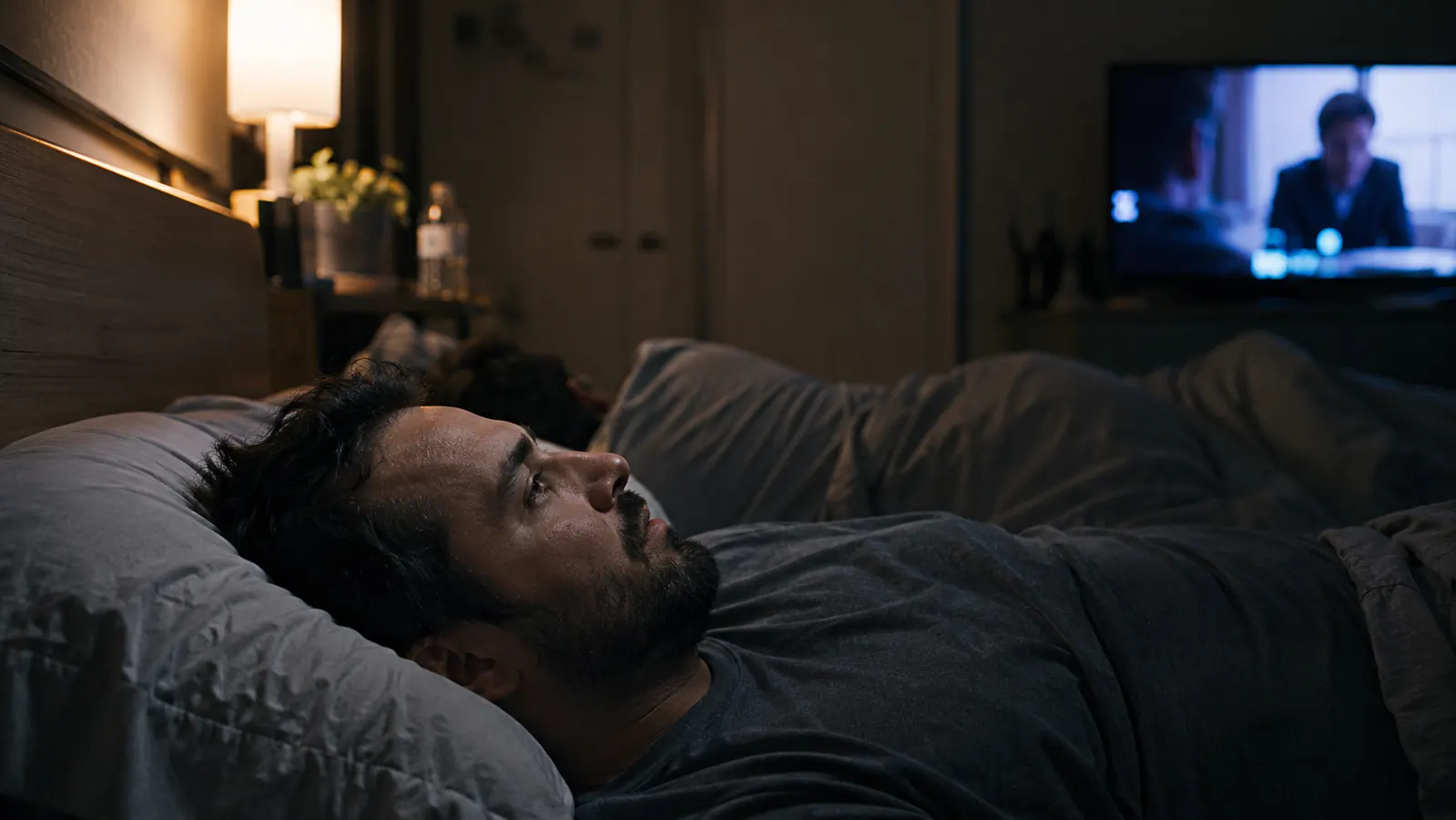
New places come with new noises: an ice machine down the hall, thinner walls than home, a room you didn't realize was next to the elevator. A pack of Flents takes up almost no space in a bag and doesn't care whether the outlet in the room even works. I keep a few pairs in every travel kit for exactly this reason, since a familiar, reliable noise fix matters more in an unfamiliar room than it does at home.
A Partner Who Needs a Fan or the TV On Stops Being a Compromise
Not every couple agrees on the ideal sleep soundtrack. If your partner falls asleep faster with a fan running or the television on low, and you find both of those things distracting, foam plugs let you both get what you want without one of you lying there annoyed. It's a cheaper, simpler fix than separate white noise machines or headphones, and it doesn't require either person to change their habits.
The Cost Per Night Barely Registers
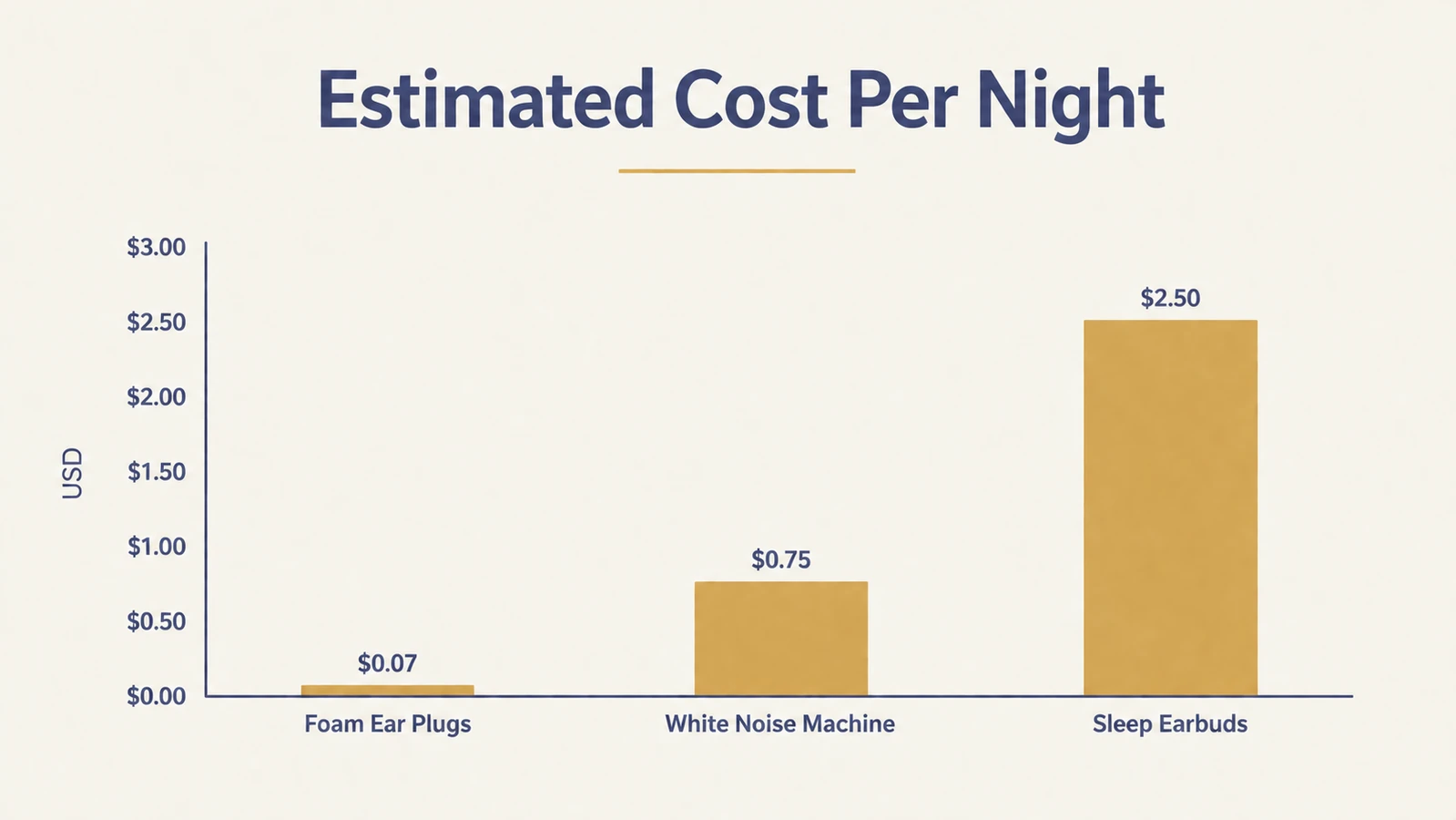
A pack of Flents runs a few dollars for ten pairs, and even if you replace a pair every two or three nights, the cost per night works out to pocket change. Compared to a white noise machine, a pricier set of sleep earbuds, or soundproofing panels, this is the cheapest fix in the entire noise-and-sleep category, and it's worth trying first before spending real money on anything else.
Nothing to Charge, Pair, or Forget on the Nightstand
Sleep earbuds and noise-masking headbands are genuinely useful for some people, but they all share the same weak point: they need power, and power runs out at the worst possible time. Foam plugs don't have that failure mode. There's no app to open, no Bluetooth connection to troubleshoot at midnight, and no dead battery two nights into a trip. You roll one in and it works, every single time, with nothing to plan around.
It Pairs Cleanly With a Sleep Mask
If you're already using a sleep mask to handle light, foam plugs are one of the few noise solutions that don't fight with it. Over-ear headphones or a headband speaker can bunch up against a mask strap and create pressure points on the side of your head. A low-profile foam plug sits inside the ear canal instead of around it, so you can run both at once without either one crowding the other.
Soft Foam Beats a Hard Silicone Plug for Side Sleeping
I've tried the moldable silicone putty plugs and the rigid pre-shaped silicone ones, and both create a hard point of pressure against a pillow the moment you turn onto your ear. Foam compresses instead of pushing back, which matters most for side sleepers who spend half the night with an ear against something. It's a small detail on paper, but it's the difference between plugs you forget about and plugs you're aware of every time you shift position.
What I'd Skip
I wouldn't reach for foam if you've never tolerated anything in your ear canal, even briefly. That's a real limitation and no brand fixes it, Flents included. I'd also skip relying on foam alone if you need to reliably hear a phone alarm, a smoke detector, or someone calling for you overnight, since the reduction in sound is real and consistent, not selective. And if you already know you dislike replacing small consumable items on a schedule, budget for that upkeep before you buy, because getting the most out of a pack means treating it as a wear item, not a one-time purchase.
The best noise fix I've found wasn't a gadget. It was a five-dollar pack of foam I actually remembered to use every night.
Ten reasons, one plain green plug.
None of this requires a subscription, a charging cable, or a leap of faith. A pack of Flents foam plugs costs less than a takeout coffee and tells you within a night or two whether noise was really the thing standing between you and sleep.
Amazon Check Today's Price on Amazon →